Automotive Component Factory Relocates to Vietnam, FSPMI: 5,000 Workers Threatened with Layoffs
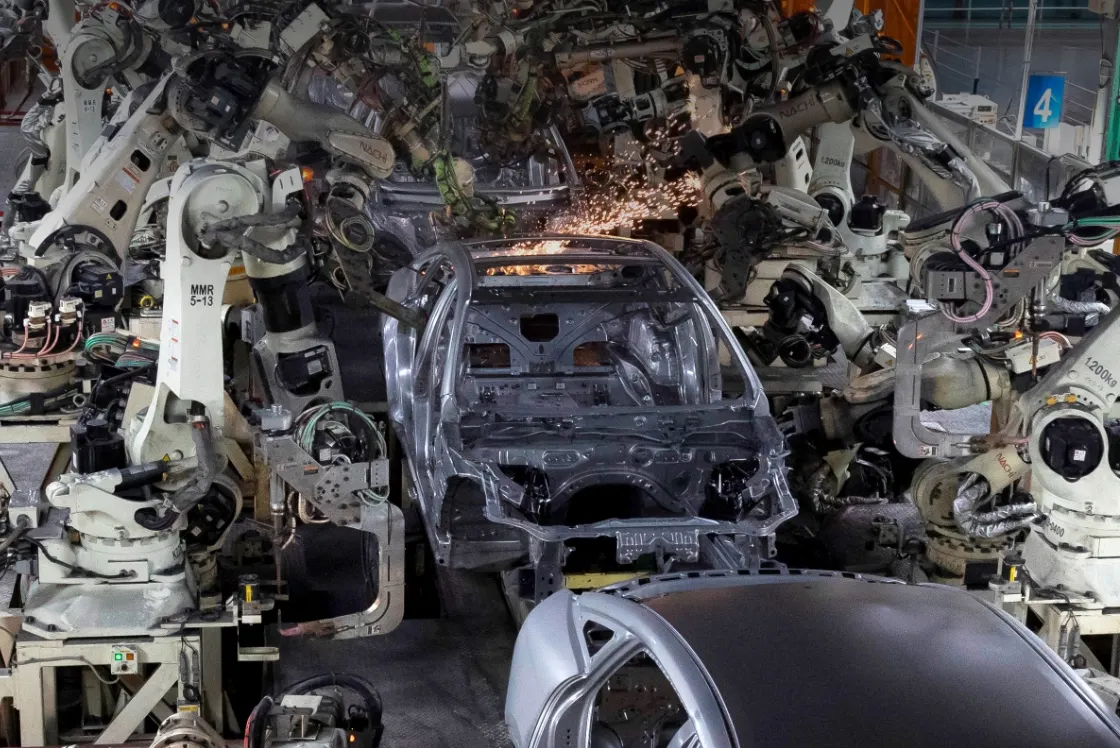
Bosue.id, Jakarta - News regarding the plan of two giant automotive component companies in East Java to relocate their factories to Vietnam is increasingly strengthening.
The Chairman of the East Java Regional Leadership Council (DPW) of the Indonesian Metal Workers Federation (FSPMI), Jazuli, has confirmed the truth of this issue.
The plan to move some production activities from PT J and PT S, located in Pasuruan and Mojokerto Regencies, will certainly bring great concern among workers.
An Old Issue Resurfaces
According to Jazuli, the issue of moving automotive production bases abroad is not actually new news that has suddenly emerged.
The relocation discourse has been a long discussion between company management and labor unions for the past three years.
Although the principal party from Japan stated that they would not close all of their factory operations in Indonesia, Jazuli remains very concerned.
This concern is well-founded because the relocation of production lines, no matter how small, will directly impact the number of labor needs.
Based on FSPMI's estimates, if the plan to move some production facilities to Vietnam actually occurs, around 5,000 workers from both factories are potentially victims of layoffs (PHK).
Reasons for Relocation and Anticipatory Steps
Previously, the Special Advisor to the President for Labor Affairs and Worker Welfare, Said Iqbal, revealed that the main reason behind this relocation plan is a change in business focus.
The parent company, headquartered in Japan, intends to shift its production direction to focus more on the development of electric vehicles (EVs).
In their business calculations, Vietnam is considered much more competitive and has a more promising climate for electric car component production compared to Indonesia.
To prevent this wave of mass layoffs, the labor union is currently working hard to conduct intensive negotiations with company management.
In addition, FSPMI also strongly hopes that the central government can immediately intervene by providing concrete solutions and attractive incentives so that the automotive component companies abandon their intention to leave the country.
This case is expected to be an important evaluation material for the government regarding the competitiveness of electric vehicle policies in Indonesia.